A visual idea can give a song another language. Surprising imagery, a distinct atmosphere, and room to experiment can make the creative process feel collaborative again.
01Creative discoveryFor songwriters

Imagine audio-reactive music videos with room for your own visual direction, scene by scene.
Give your sound a visual direction.
Let the rhythm, energy, and structure of your track inform the visual idea.
Choose a visual style, imagine your characters, and describe the moments you want to see.
Take your creative direction forward and explore how it could become a music video.

Give ✦ The Artist a neon outfit and dark city background
A visual idea can give a song another language. Surprising imagery, a distinct atmosphere, and room to experiment can make the creative process feel collaborative again.
When visuals follow a track’s phrasing and mood, the story feels connected to the music rather than laid over it. Each scene has a reason to be there.
The most interesting videos blend artistic direction with musical detail: a recurring character, a recognizable style, and images that change as the sound changes.
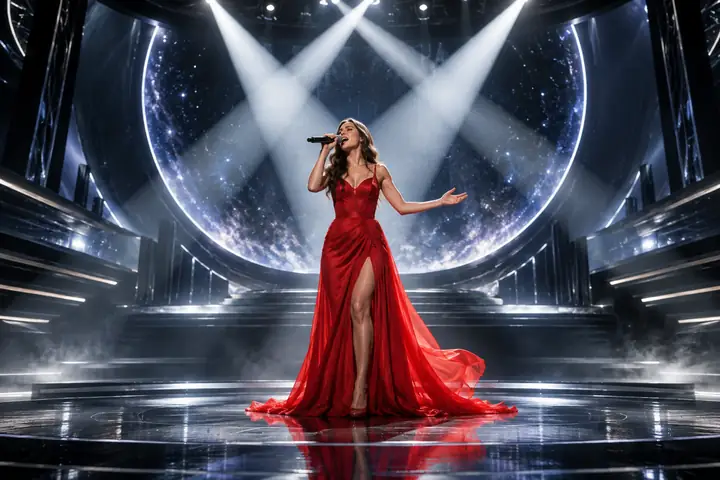


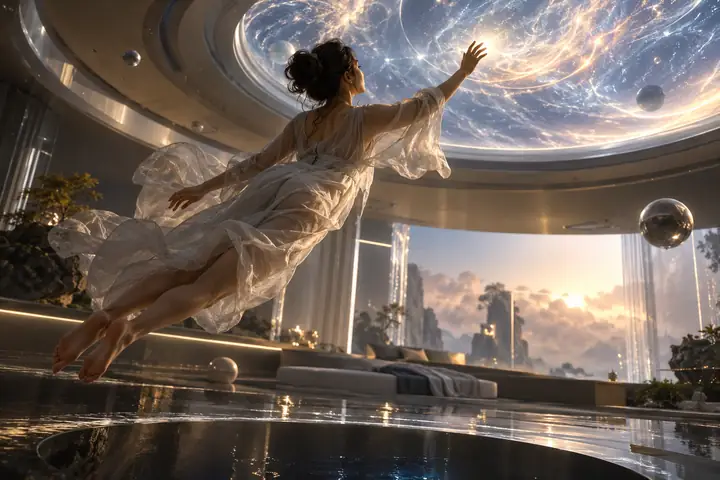
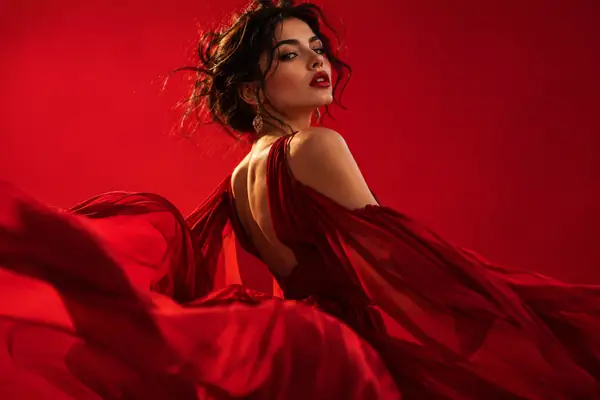
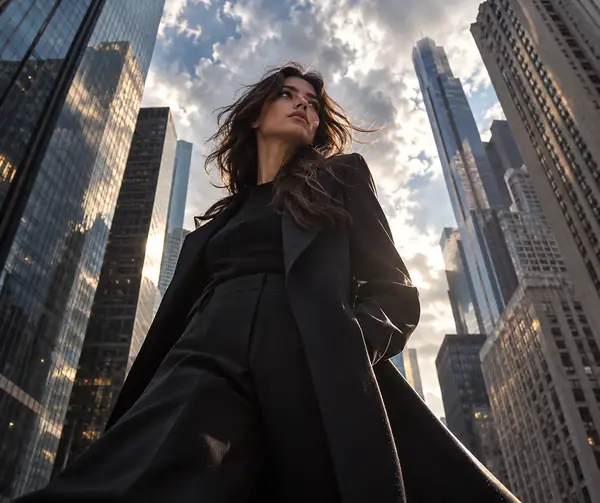
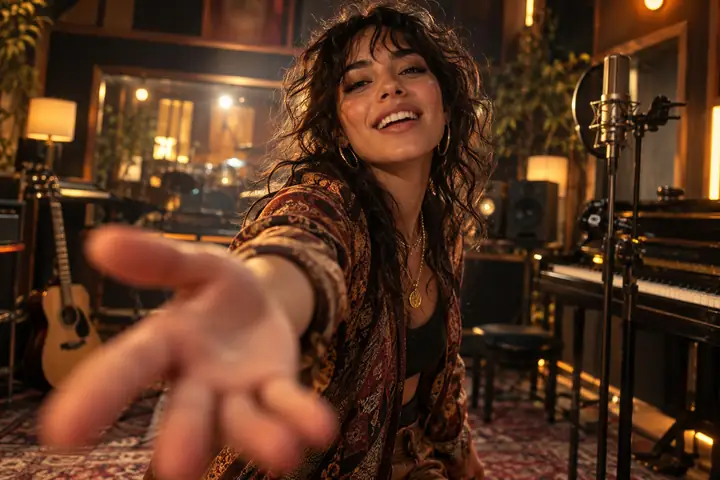

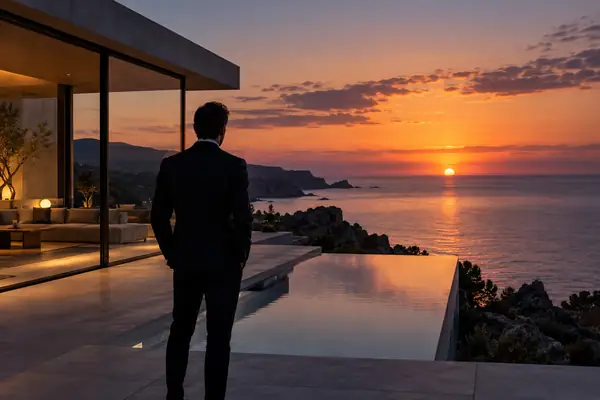
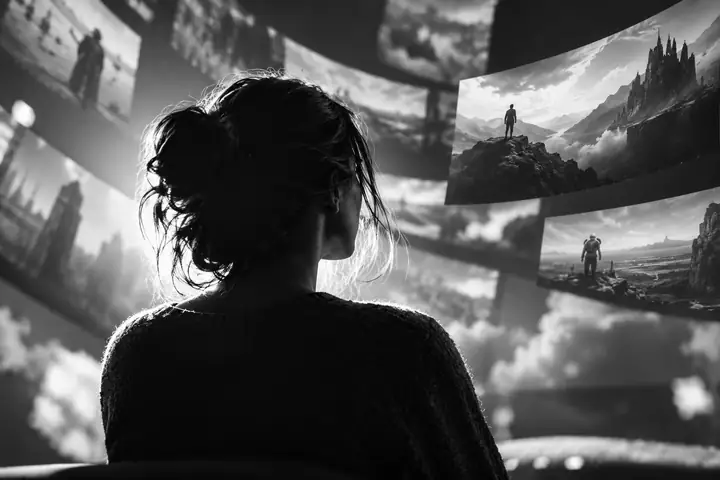
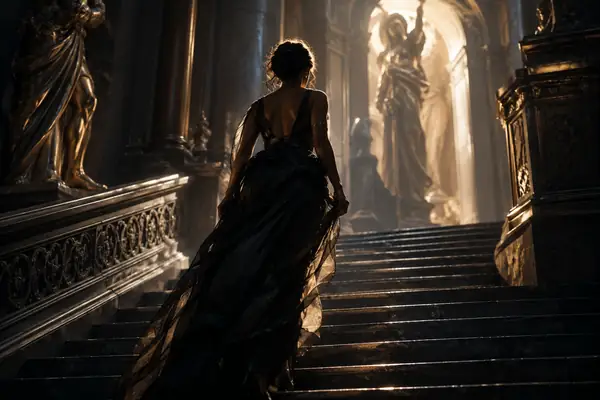

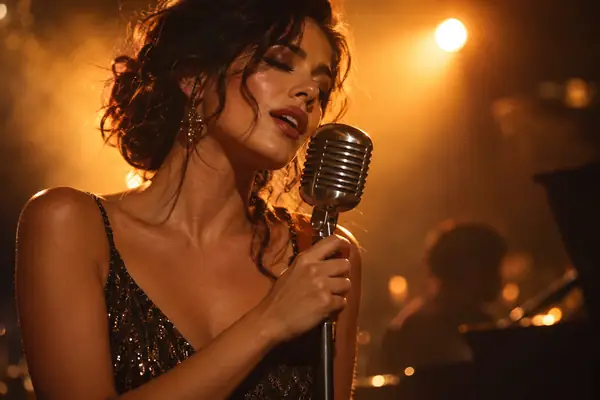
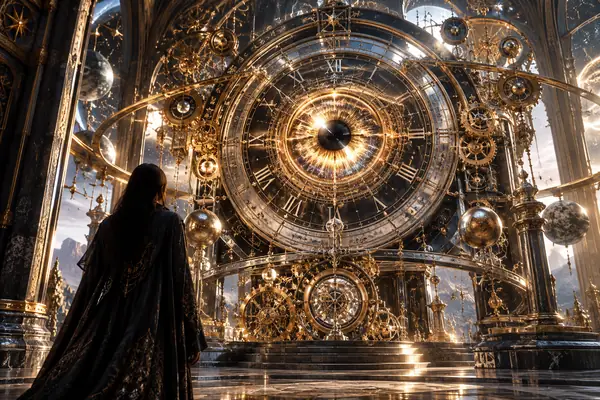

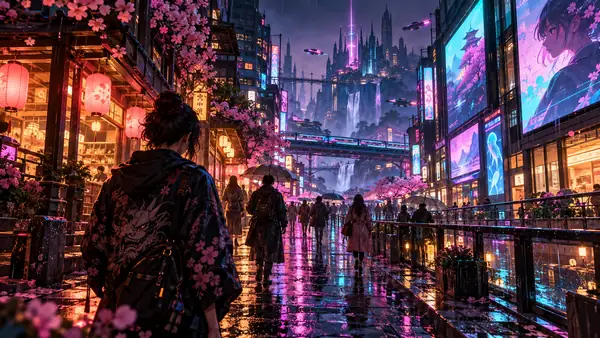

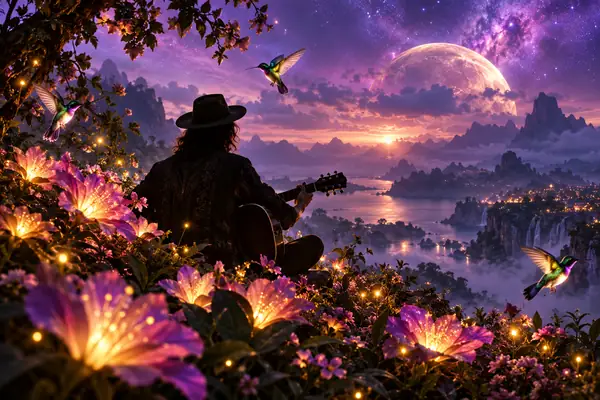

Plan imagery for the screens where your music will be seen.
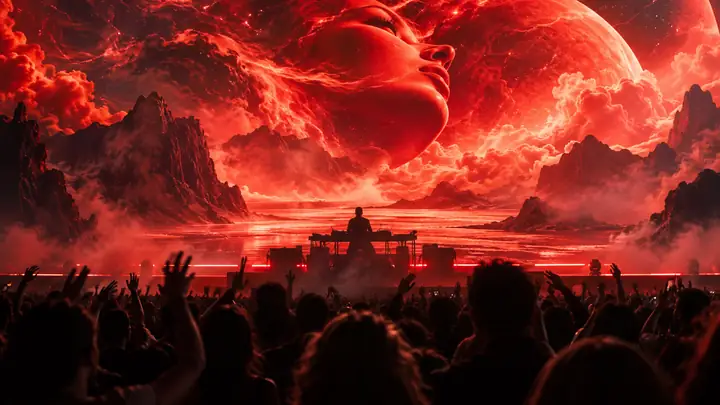
Find an aesthetic that suits the track.
Consider the story of a complete song, not only one striking clip.
Let a line, image, or feeling in the song guide a scene.
Keep a creative identity in mind as your visual story develops.
Describe who appears and how they should look from scene to scene.
Choose the atmosphere, color, and pace that feel right for your music.
Begin with a sound and a feeling
Give that feeling a visual direction
Carry the idea into your next creative step
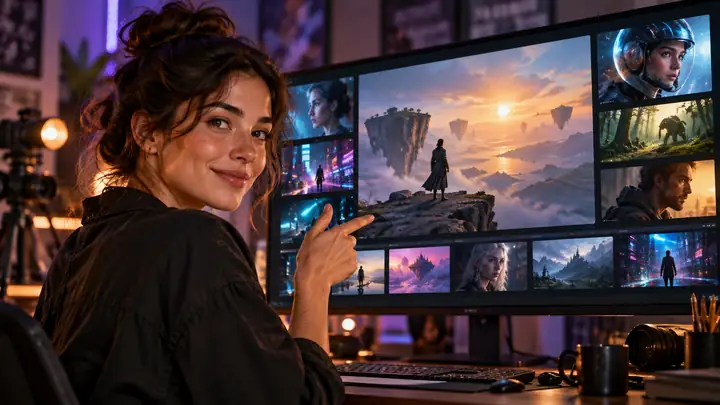

Neural frames describes a way of thinking about music-led visuals: images and scenes shaped around the sound, mood, and story of a track. This page helps you explore a visual direction before continuing to the linked creative service.
Rights depend on the service you use, its current terms, and the music and source material you provide. Check the destination’s terms before publishing or using a result commercially.
They are familiar starting points—such as cinematic, animated, surreal, or retro looks—that can help you describe the atmosphere you want.
Describe recurring colors, settings, characters, lighting, and camera language. A clear visual brief gives your idea a more recognizable identity.
Upscaling is the process of producing a larger-resolution image or video from a smaller source. Available options and results vary by service.
Music visualization connects motion, edits, colors, or imagery to characteristics of a track, such as its rhythm, energy, and changes in mood.
An audio-led concept can use beats, vocal phrases, and transitions as cues for movement and scene changes. The specific controls available depend on the tool you choose.
